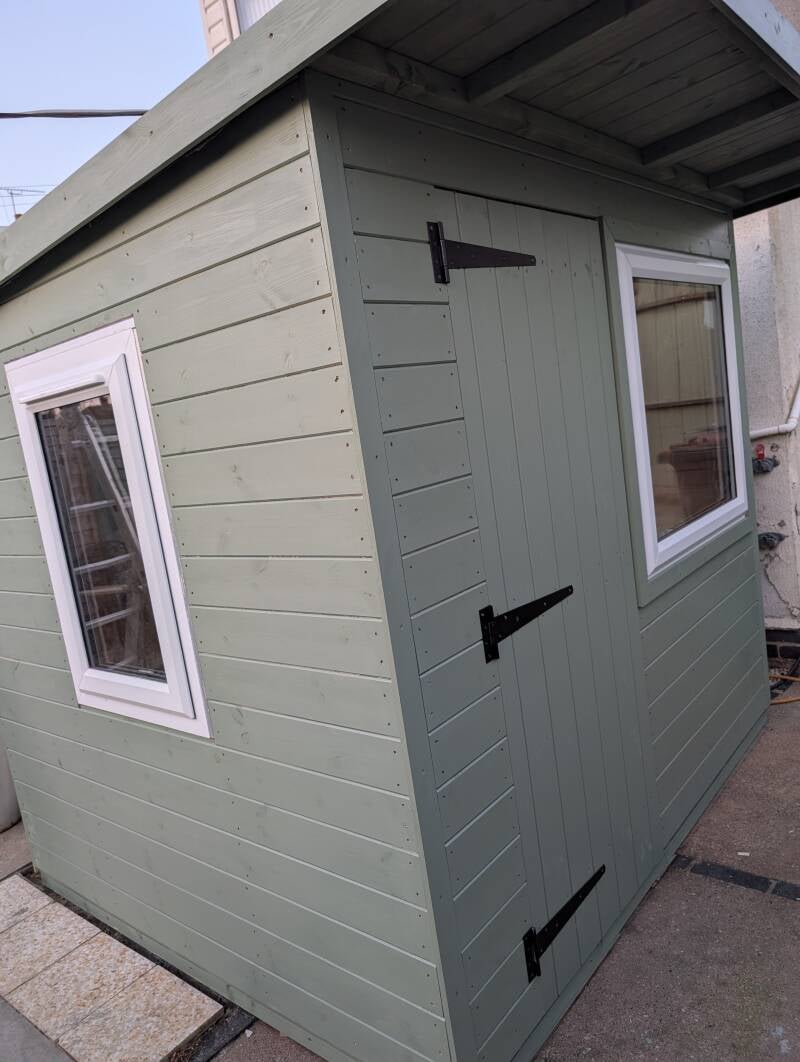
Perfect homes for happy guinea pigs
At Little Garden Farm Guinea Pig Rescue, we believe every guinea pig deserves a safe, comfortable, and stimulating environment. Discover why indoor living is often the best choice for these beloved creatures.
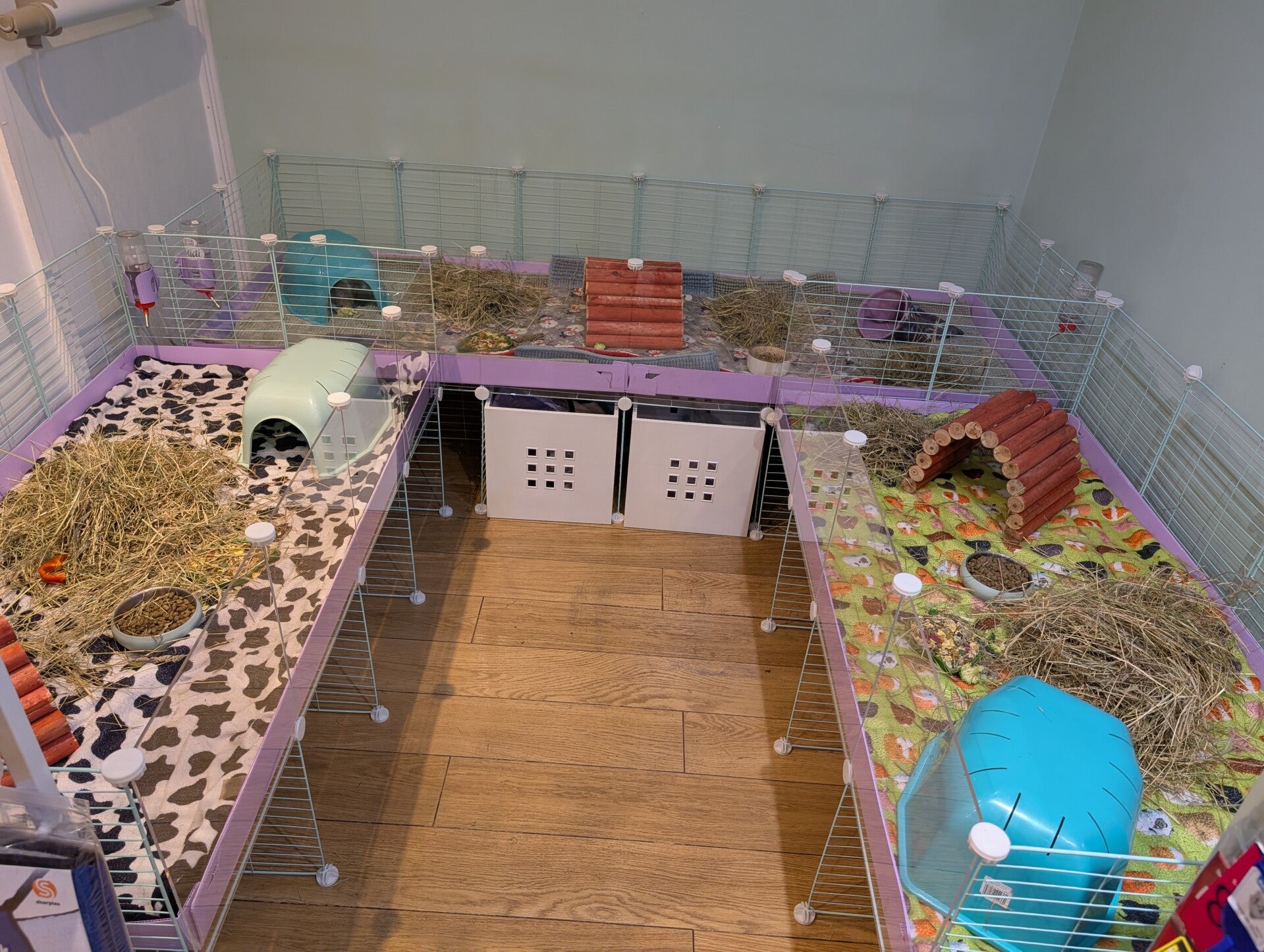
Indoor living: the preferred choice
Benefits of Indoor Housing
🐹 Protection from Extreme Weather
Guinea pigs are sensitive to both heat and cold. Indoor housing protects them from sudden temperature changes, heatwaves, frost, strong winds, and damp conditions.
🐹 Better Health Monitoring
When guinea pigs live indoors, owners are more likely to notice changes in eating, drinking, weight, behaviour, or illness early. Guinea pigs can become seriously unwell very quickly, so early intervention is important.
🐹 More Family Interaction
Indoor guinea pigs become part of everyday family life. Regular interaction helps build confidence and strengthens the bond between guinea pigs and their owners.
🐹 Protection from Predators
Even secure outdoor enclosures can be stressful for guinea pigs if they see or hear foxes, cats, birds of prey, or other predators. Indoor housing removes this risk.
🐹 Cleaner and Easier to Maintain
Indoor enclosures are easier to clean regularly and are less affected by mud, damp, and seasonal weather conditions.
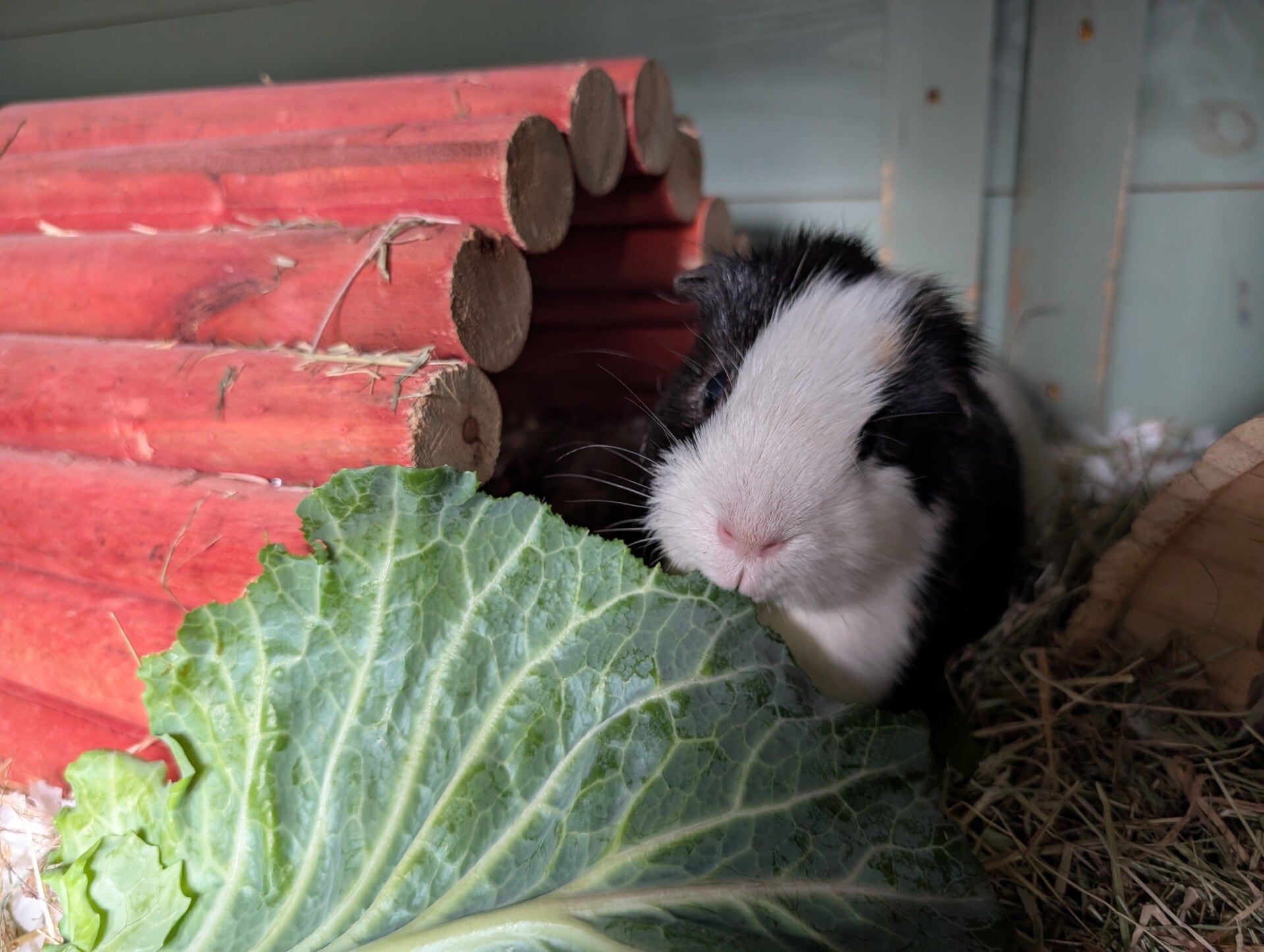
Space is paramount for well-being
Space to Run, Explore and Popcorn
One of the most important aspects of guinea pig care is providing enough space. Guinea pigs are active animals that need room to run, explore, zoom around, and express natural behaviours such as popcorning, playing, and interacting with their companions.
We believe that adequate space should be available 24 hours a day, 7 days a week, not just during supervised exercise time or when a run is attached. Guinea pigs don't only become active when it's convenient for us – many enjoy bursts of activity early in the morning, late in the evening, and even during the night.
While outdoor runs and floor time are excellent forms of enrichment, they should be viewed as an addition to a spacious enclosure rather than a substitute for one. Guinea pigs should not have to wait to be let out before they can stretch their legs, run at full speed, or enjoy a spontaneous popcorn.
Providing generous living space helps to:
🐹 Encourage exercise and maintain a healthy weight
🐹 Support natural behaviours such as running, exploring and popcorning
🐹 Reduce boredom and frustration
🐹 Allow guinea pigs to avoid conflict and have personal space when needed
🐹 Create a more enriching and stimulating environment
Whether kept indoors or outdoors, guinea pigs should always have enough permanent living space to be active whenever they choose, day or night. After all, some of their happiest moments are those unexpected zoomies and popcorns that happen when nobody is watching!
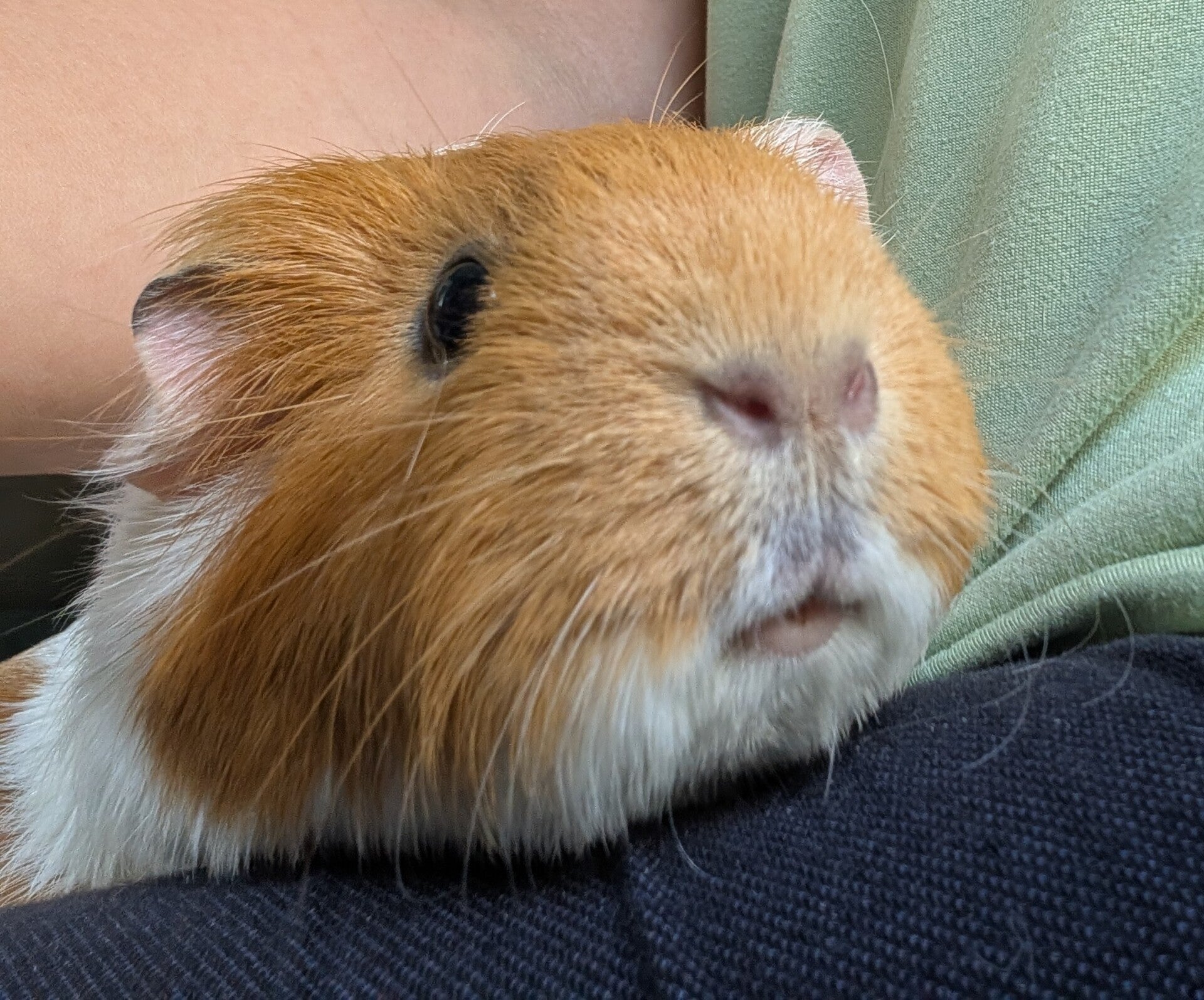
Outdoor Living
If Guinea Pigs Are Kept Outdoors
We understand that some owners successfully keep guinea pigs outdoors. If choosing outdoor housing, we recommend:
✅ A large, predator-proof enclosure
✅ Shelter from wind, rain, snow, and direct sunlight
✅ Plenty of bedding and insulation during colder months
✅ Careful monitoring during hot and cold weather
✅ Daily health checks and interaction
✅ Never housing guinea pigs alone
Outdoor guinea pigs often do particularly well in small social groups, such as a neutered male living with several females. This creates a natural little community where guinea pigs can interact and display normal social behaviours. Group living can also help reduce the risk of a guinea pig becoming isolated if a companion passes away, something that can be more challenging in a bonded pair. However, successful group housing requires sufficient space, careful introductions, and compatible personalities.
It's also important to think beyond the summer months. Having guinea pigs outdoors can seem ideal when the weather is warm and you're spending lots of time in the garden. However, consider what life will be like during winter, when it's cold, wet, windy, and getting dark much earlier in the evening. Will you still be happy to go outside every day to clean out enclosures, carry out health checks, and spend quality time interacting with your guinea pigs? Guinea pigs need the same level of care, attention, and companionship all year round, regardless of the weather.

Our Recommendations
At Little Garden Farm Guinea Pig Rescue, we believe indoor enclosures provide the safest and most consistent environment for most guinea pigs. Indoor housing allows owners to monitor their pets more closely, spend more time with them, and protect them from many of the risks associated with outdoor living.
Every guinea pig deserves a spacious enclosure, suitable companionship, a healthy diet, and lots of love, whether they live indoors or outdoors.
Indoor enclosure recommendations
C & c type enclosures - these enclosures are open and spacious allowing flexibility in design. The bigger the enclosure the better.
We do not recommend cages for example pets at home type, they are too small, difficult to clean out
Minimum sizes 5ft x 2ft ideally bigger
Outdoor enclosure recommendations
Look for an enclosure that is very sturdy, not easily lifted and lightweight as they aren't predator or weather proof. Typically pet shop hutches and built with very thin wood.
They need to be at least 6ft x 2ft on one level. A 3 ft double does not make it a 6ft enclosure. If there is levels make sure the ladder has a gentle slope.
For groups a study insulated shed is ideal with plenty of hides and enrichment for a group of guinea pigs.
Little Garden Farm Guinea Pig Rescue
Finding happy homes for guinea pigs